From Treatment To Tragedy
“75 percent reported that their first opioid was a prescription drug”
Source: NIDA Report: “Prescription opioid use is a risk factor for heroin use”
I Wish I Knew
Just One Fake Pill Can Be Deadly — Even To Someone Trying Opioids For The First Time
Opioid misuse often starts with a prescription meant to help — and turns into something far more dangerous. Today, the drugs themselves have changed — fentanyl is widespread, and the danger is larger than ever.

I Wish I Knew
Fentanyl Is 50 to 100 Times Stronger Than Morphine and 50 Times Stronger Than Heroin
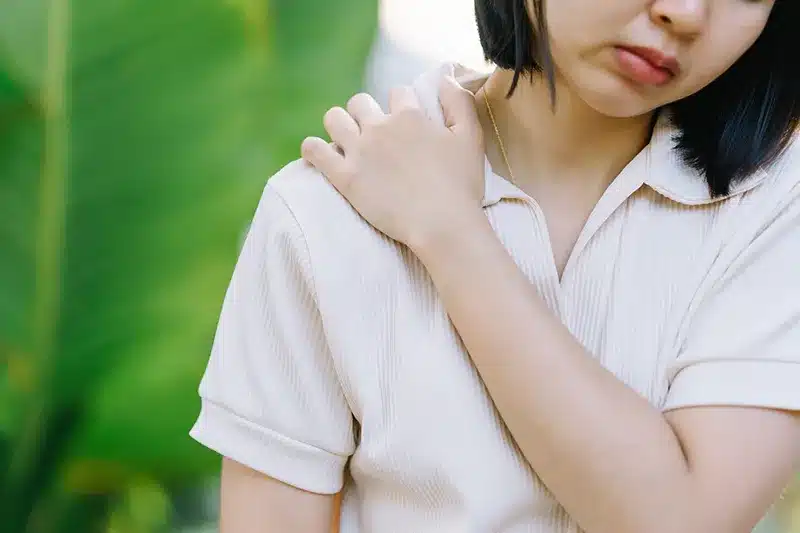
Opioid misuse often begins with a legitimate prescription to manage an injury or chronic pain.

Over time, people may require higher doses to feel the same relief, eventually turning to riskier options when prescriptions run out.
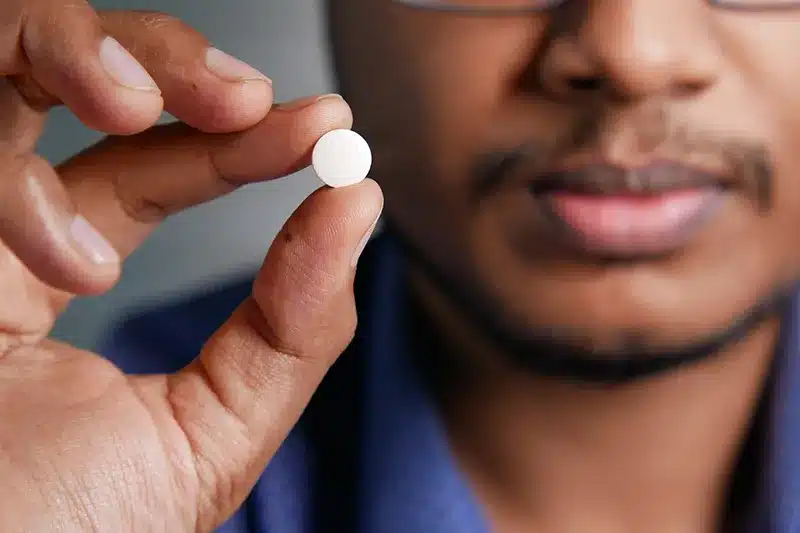
Seeking pills from other sources often leads to fentanyl — a powerful, deadly opioid that is nearly impossible to detect.
I Wish I Knew
More About Opioid Misuse Prevention
Opioid misuse is preventable — and it starts with small, intentional choices. Whether you’re a parent, educator, or community member, you can play a key role in keeping your home and neighborhood safe.
It’s never too early — or too late — to start the conversation.
Get parent resources about talking to kids about opioids and other substances.

I Wish I Knew
How To Talk With Providers
If you or someone you know is being prescribed opioids for pain, it’s important to ask questions, understand the risks, and explore safer options. Open conversations with healthcare providers can prevent misuse before it starts.
Here are key questions to ask:
- Is an opioid necessary for this pain?
- Are there non-opioid alternatives?
- What are the risks and benefits of this medication?
- What is the lowest effective dose?
- How long should this medication be taken?
- How will we know when it’s time to stop?
- What do I do with leftover medications?
For parents:
- Ask when your child should stop taking the medication
- Don’t allow self-administration — track doses and stay involved
Making decisions about pain treatment isn’t easy — but asking questions helps you protect your health, your family, and your future. There’s no shame in getting help. There’s power in being informed.
Key Steps to Prevent Misuse

Ask Questions, Learn the Risks
Don’t be afraid to speak up. If you or someone you care for is prescribed opioids, ask:
- Why is this medication needed?
- How long should it be taken?
- Are there safer alternatives?
- What are the side effects?
- What should I do with unused pills?

Follow Instructions Carefully
Take opioids exactly as prescribed — no more, no less.
Never mix them with alcohol or other medications unless approved by your doctor.
Safe use is one of the strongest lines of defense against overdose.

Store Medications Securely
Opioids should always be stored in a locked cabinet or other secure place.
Medications often fall into the wrong hands — especially in shared households.
Safe storage helps protect children, teens, guests, and anyone else who might be at risk of misuse.

Dispose of Leftovers Promptly
Never hold on to leftover pills “just in case.” Unused opioids are a leading source of misuse.
Take advantage of drop box locations in your area or ask your local health department for a disposal bag.
Proper disposal reduces the chance of accidental use, theft, or abuse.

Watch for Signs of Misuse
Whether it’s you, a loved one, or someone in your community — knowing the warning signs can make a life-saving difference.
Look for red flags like running out of medication early, seeking higher doses, mood swings, or withdrawal symptoms.
Don’t wait — speak up and seek help.

Talk About It
Breaking the silence around opioid misuse is one of the most powerful things we can do.
Open conversation reduces stigma and builds safer, more connected communities.
A simple conversation about the risks of prescription misuse is one of the strongest lines of defense we have.
I Wish I Knew
About Safe Disposal
Leftover opioids should never stay in your home. Holding on to extra pills — “just in case” — puts your household at risk for accidental use, theft, or misuse. The safest option is to dispose of them as soon as you no longer need them.
I Wish I Knew
Drop Boxes Are Available Across The Region
Learn more about safe medication disposal options. Find nearby drop box locations or request disposal tools — such as a Deterra bag or Rx Destroyer — from your local health department.
Safe disposal helps protect your home, your community, and the people you care about.

I Wish I Knew
Naloxone Saves Lives
Be Ready to Respond in a Crisis
Naloxone (brand name Narcan) is a medication that can reverse an opioid overdose — even when fentanyl is involved.
You Can Get Naloxone At:
- Pharmacies across the Mid Shore region
- Local health departments — free training and free naloxone available
You don’t need to be a medical professional to save a life — just someone who’s prepared.
I Wish I Knew
Where to Get Help and Recovery
If you or someone you love is struggling with opioid use, help is available right here in the Mid Shore region. Each county offers confidential support, treatment referrals, mental health services, and overdose prevention resources.
I Wish I Knew
Tools And Resources
Reference these sites for regularly updated resources across the Mid Shore:
- Mid Shore Behavioral Health Resource Guides
- Mid Shore Behavioral Health Helpful Resources and Links
- Mid Shore Behavioral Health Substance Use
Explore additional resources for parents.